Alasza: A Playful Handwritten Font for Creative Projects
Opening a blank brand board always feels like a fresh canvas, full of potential. Today, I decided to test out Alasza, a cute and fun handwritten font, to see how it would fit into a boutique identity project. The moment I typed out the brand name, I knew this typeface was something special.
The Visual Charm of Alasza
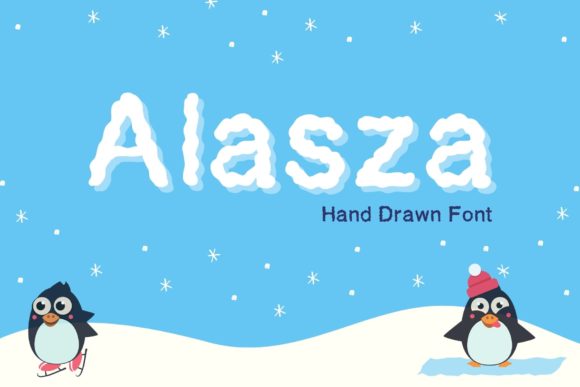
Alasza is a handwritten font with a playful and natural feel. Its unique style makes it incredibly fitting for a wide range of designs. The letters have a casual, almost whimsical quality, which adds a touch of personality to any project. The slight variations in line thickness and the organic flow of the characters give it a hand-drawn, authentic look that stands out.
Testing Alasza in Logo Design
For the logo concept, I used Alasza as the main typeface. The result was a charming and approachable logo that perfectly captured the boutique’s friendly and welcoming vibe. The font's playful nature made the logo feel more personal and less corporate, which was exactly what the client was looking for.
Brand Identity and Consistency
Next, I moved on to the brand board. Alasza worked beautifully for the tagline and key messaging. It added a consistent and recognizable visual element across all brand assets. When paired with a clean sans serif font, it created a balanced and professional look without losing its playful charm.
Performance in Packaging and Product Labels
On the packaging mockup, Alasza shone. The font's natural and unique style made the product labels stand out. The handwritten feel added a personal touch, making the packaging more engaging and memorable. However, I did notice that at smaller sizes, the readability could be a bit challenging, so I recommend using it for larger text or as an accent font.
Social Media and Web Design
For social media graphics and web design, Alasza was a hit. The font's playful and inviting nature made it perfect for Instagram posts, story highlights, and even the hero section of a website. It added a creative and friendly touch, making the content more engaging and shareable. In web design, it worked well for headlines and short phrases, but I wouldn’t recommend it for long body text due to readability concerns.
Practical Font Pairing and Usage Tips
When pairing Alasza with other fonts, I found that it complemented both serif and sans serif fonts nicely. For a more traditional and elegant look, a classic serif font worked well. For a modern and clean aesthetic, a minimalist sans serif was a great choice. This versatility makes Alasza a valuable addition to any designer's toolkit.
- Logo Design: Use Alasza as the main typeface for a playful and personal touch.
- Brand Identity: Incorporate Alasza for taglines and key messaging to add consistency and personality.
- Packaging Design: Ideal for product labels and packaging, but use it for larger text or accents.
- Web Design: Perfect for headlines and short phrases, but avoid using it for long body text.
- Social Media Graphics: Add a creative and friendly touch to your posts and stories.
Before using Alasza in final client work, it’s essential to test it thoroughly. Check how it looks in different sizes, on various backgrounds, and in different contexts. Also, make sure to review the commercial font licensing to ensure you can use it for the intended projects, such as brand identity, packaging, templates, merchandise, websites, digital products, or print-on-demand products.
In conclusion, Alasza is a versatile and charming handwritten font that can add a playful and personal touch to a wide range of creative projects. Whether you’re designing a boutique identity, creating packaging, or enhancing your web and social media presence, Alasza is a font worth considering.